
SPC flooring
– SPC flooring for high-traffic areas
– Best SPC flooring for kitchens/bathrooms
– SPC flooring vs LVT/laminate/hardwood
– How to install SPC flooring (click-lock)
– Commercial SPC flooring heavy traffic
– Wood-effect SPC flooring residential
Category: LVT /SPC flooring
Description
SPC Flooring Advantages
1. Ultimate Durability & Impact Resistance
Crafted from stone-plastic composite core, SPC flooring features exceptional hardness that resists scratches, dents, scuffs, and heavy wear—perfect for high-traffic areas like living rooms, hallways, and commercial spaces. Its rigid structure won’t dent under furniture legs or heavy foot traffic.
2. 100% Waterproof & Moisture-Proof
Fully waterproof and moisture-resistant, SPC flooring is ideal for wet areas such as kitchens, bathrooms, basements, and laundry rooms. It won’t swell, warp, or rot due to humidity, spills, or thermal expansion/contraction in fluctuating temperatures.
3. Cost-Effective Luxury Alternative
Delivers the high-end look of natural stone, hardwood, or ceramic at a fraction of the cost. With lower material and installation expenses (especially click-lock systems), it reduces long-term maintenance costs—no sanding, sealing, or refinishing needed.
4. Stable & Dimensionally Accurate
Unlike vinyl or laminate, SPC’s rigid core maintains structural stability over time, preventing warping, buckling, or curling. It performs well in both hot and cold environments, making it suitable for year-round climate variations.
5. Realistic Aesthetic Versatility
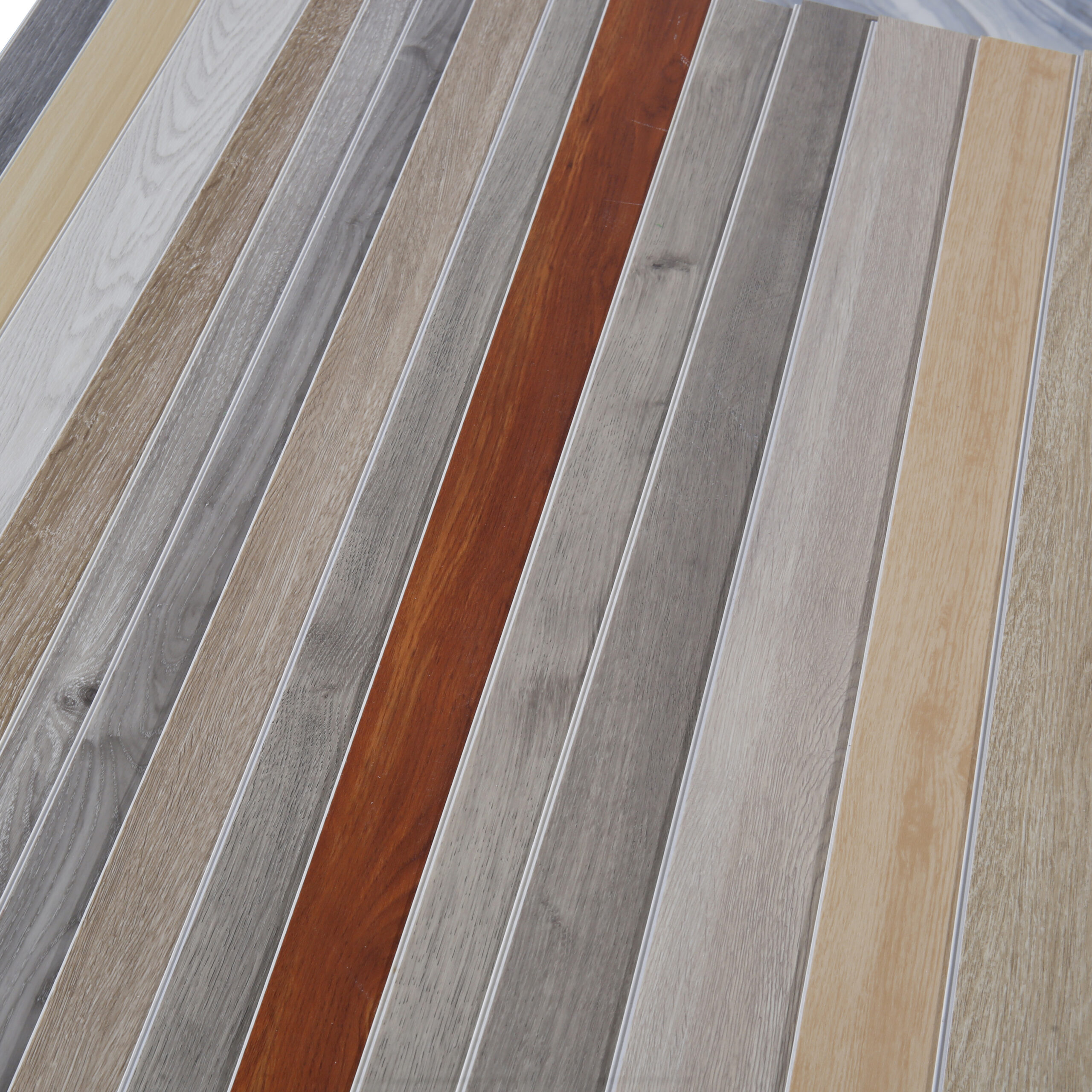
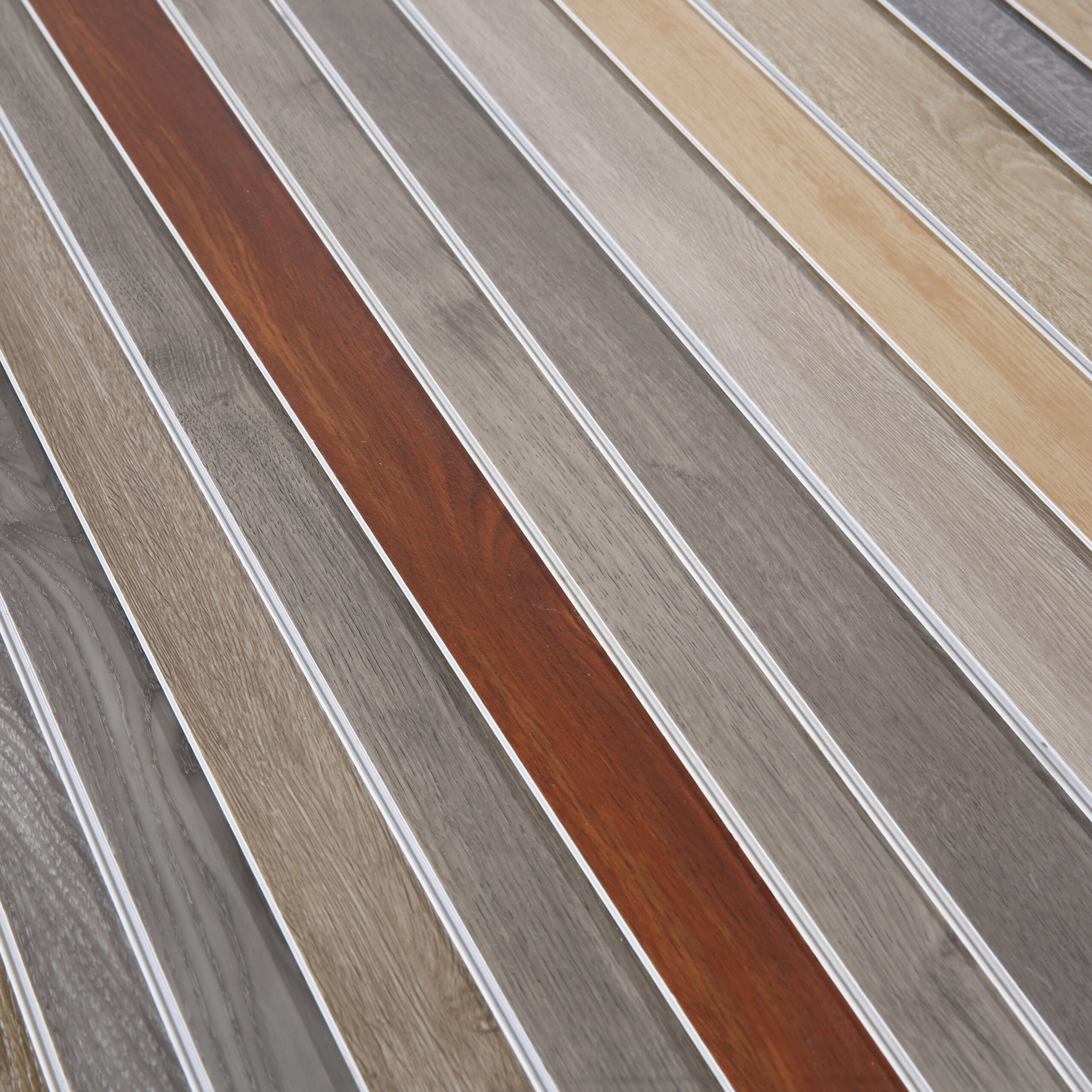
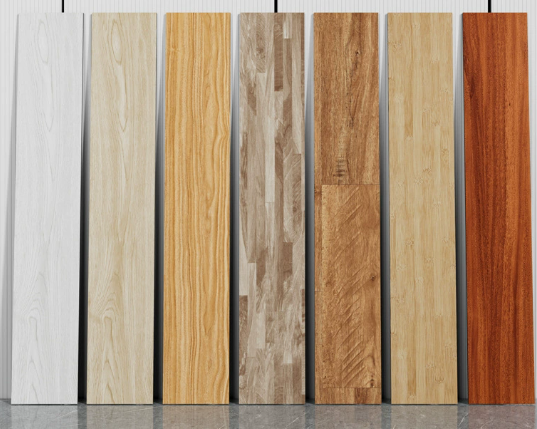
Advanced digital printing technology replicates natural wood grains, stone textures, and marble patterns with stunning realism. Available in diverse colors, finishes, and plank sizes to match modern, traditional, or industrial interior designs.
6. Easy Installation & Maintenance
Click-lock SPC flooring enables quick, hassle-free installation (no glue required) for both professionals and DIY enthusiasts. It requires only regular sweeping and occasional damp mopping—no special cleaners or waxing needed.
7. Lightweight & Easy to Handle
Lighter than ceramic tile or solid wood, SPC planks are easy to transport, cut, and install, reducing labor costs and installation time. Its thin profile also suits low-ceiling spaces or projects requiring minimal height adjustment.
8. Eco-Friendly & Safe
Made with low-VOC, formaldehyde-free materials, SPC flooring is non-toxic and safe for homes with children and pets. It’s recyclable and durable, reducing waste from frequent replacements.
SPC Flooring FAQs (Customer Q&A)
Q1: Is SPC Flooring Suitable for Bathrooms & Kitchens?
A: Yes. SPC flooring is 100% waterproof and moisture-resistant, making it ideal for wet areas. Its rigid core won’t swell or warp from spills, humidity, or steam—perfect for kitchens, bathrooms, basements, and outdoor covered spaces.
Q2: How Long Does SPC Flooring Last?
A: High-quality SPC flooring has a lifespan of 20–30 years with proper care. Its durable composite core resists heavy wear, and thicker wear layers (12mil+) extend durability for commercial use. Simple maintenance preserves its longevity.
Q3: Can SPC Flooring Be Installed with Underfloor Heating?
A: Absolutely. SPC’s rigid core efficiently transfers heat without warping or cracking—superior to vinyl or laminate. Ensure the product supports underfloor heating (max temperature compatibility: 86–104°F) and follow installation guidelines.
Q4: Is SPC Flooring Noisy?
A: SPC is quieter than laminate and harder flooring. For enhanced acoustic comfort, choose SPC with a built-in sound-dampening underlayment (2mm+ thickness) to reduce impact noise from footsteps.
Q5: Does SPC Flooring Fade in Sunlight?
A: UV stabilizers in the wear layer resist fading, but prolonged direct sunlight may cause slight discoloration over time. Use window coverings to minimize sun exposure and protect your investment.
Q6: How Does SPC Compare to LVT (Luxury Vinyl Tile)?
A: SPC is more rigid, scratch-resistant, and stable than LVT—ideal for high-traffic or commercial spaces. LVT offers softer underfoot comfort and more flexible design options, but SPC is more durable and cost-effective for long-term use.
Q7: Is SPC Flooring Easy to Maintain?
A: Very easy. Regular sweeping to remove dust and occasional damp mopping with mild detergent is all you need. Avoid harsh chemicals, heavy item dragging, and sharp objects to preserve its condition.
Q8: Can I Install SPC Flooring Myself?
A: Yes. Click-lock SPC flooring is DIY-friendly with simple interlocking planks. Ensure the subfloor is clean, flat, and dry before installation. For glue-down or large commercial projects, professional installation is recommended.
You may also like…
- Get in touch
Start Your Project Today
Contact us now to get product details, pricing, and customized solutions for your business.
- We respect your privacy. Your information is 100% secure.
Frequently Asked Questions
Quick answers to common questions from our global clients.
Q1: What is your minimum order quantity (MOQ)?
MOQ depends on the product type and specifications. We offer flexible solutions for different order sizes, including project-based requirements.
Q2: Do you support OEM or custom designs?
Yes, we support OEM and customization services, including size, surface finish, packaging, and branding according to your requirements.
Q3: How long is the production and delivery time?
Production time typically ranges from 15 to 30 days depending on the order quantity and product type. Delivery time varies by destination.
Q4: What payment terms do you accept?
We usually accept T/T (Telegraphic Transfer) and other payment methods can be discussed based on order conditions.
Q5: How do you ensure product quality?
We follow strict quality control procedures and international standards. Each batch is carefully inspected before shipment to ensure consistency and reliability.
Q6: Which countries do you export to?
Our products are exported to more than 100 countries and regions, with long-term partnerships across global markets.